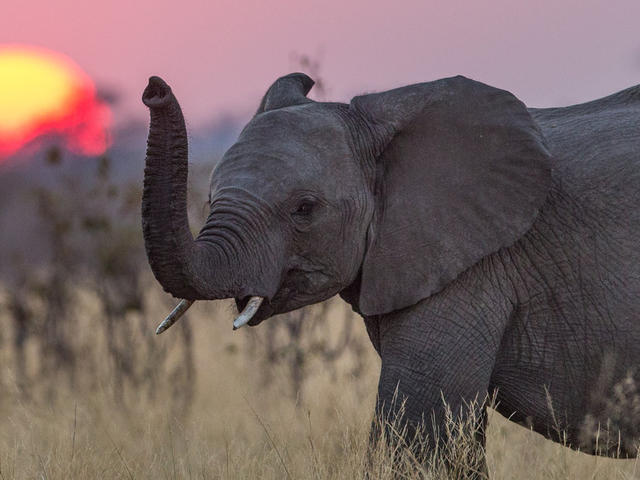
The elephant family once flourished during the cenozoic era of the geological time, with more than 400 species and footprints almost all over the world. However, it is unfortunate that there are only two kinds of elephants left – Asian elephants and African elephants. Elephants use long noses to climb branches, smash the trees, and strip the bark of other trees to let the trees wither. In this way, the elephant turned the forest into an open woodland, making the wildfires prone to happen, and finally turning that zone into a treeless plain. But what the elephant does is not entirely destruction.
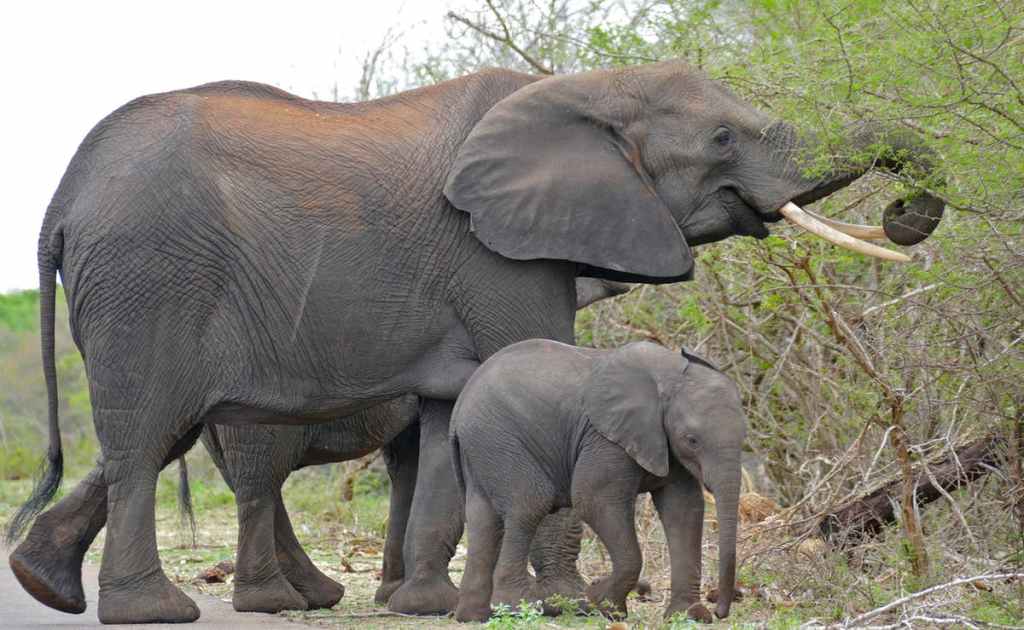
In several ways, elephants also make that place rich, thus making other animals easy to survive. The elephant left some fallen trees and broken branches, allowing the animals eating the leaves to get extra food, digging in the dry riverbed, and there will also be water supply during the dry period.
In order to support a huge body, the total weight of the food that an elephant eats is about five percent of the body’s weight every day and drinks about forty gallons of water. They can absorb two gallons per breath. In places where the trees are scarce, the elephant’s food may be grass, but in areas with trees, the elephants mainly eat branches and leaves. Elephants like to dig tree roots from sandy soil and chew the roots to eat the sap inside. The elephant’s nose is sensitive, smelling the roots buried in the ground, first digging the mud with the forefoot, then picking up the roots with long teeth.
 Melanie's Blog