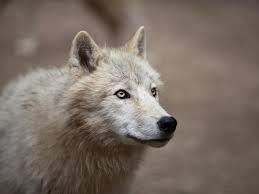
Arctic wolf, also known as white wolf or snow wolf. They are the largest canine family in the world. Arctic wolves are survivors of the Ice Age, mainly distributed on the northern island of Canada and northern coast of Greenland. They are of medium size in carnivora. They’re fur usually appears white, gray, or black. This color makes arctic wolves easy to blend in with their surroundings, and allows them to hide and hunt.

Arctic wolf is a kind of social animal, usually composed of five to ten wolves in a well-registered wolf pack. The wolf pack is led by a powerful male wolf with a strict hierarchy. The highest-ranking female wolf can control all female wolves and some male wolves in the group. The leader of the wolves is absolutely authoritative, a dictator and the main guardian of the territory. After every hunting, the leader is the first to enjoy food, and the other wolves eat in the order of the rank within the pack. Arctic wolves are carnivorous animal, they hunt deer, fish, walrus, and rabbits, and occasionally attack humans. While hunting, the whole pack cooperates. Male leaders are responsible for directing all wolves. They choose small or young animals as their prey. Wolves usually encroach on them from different directions. They gradually approach their prey. When the time comes, they attack suddenly. If the prey escapes, the wolves will be divided into echelons and fight in turn until the prey is captured. Arctic wolves can chase prey at speeds of up to 65 kilometers per hour. They can span 5 meters in a single step in a sprint.
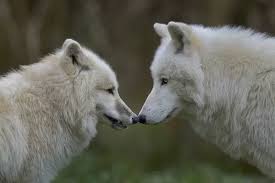
Arctic wolves are very strong, they live in bleak tundra, river valleys, and icy plateaus. The living environment and climate are cold. The lowest temperature can reach – 50 degrees. Arctic wolves not only endure cold weather for a long time, but also five months of darkness, during which they often have no food for weeks. The Arctic wolf is strong enough to survive in such an environment.

